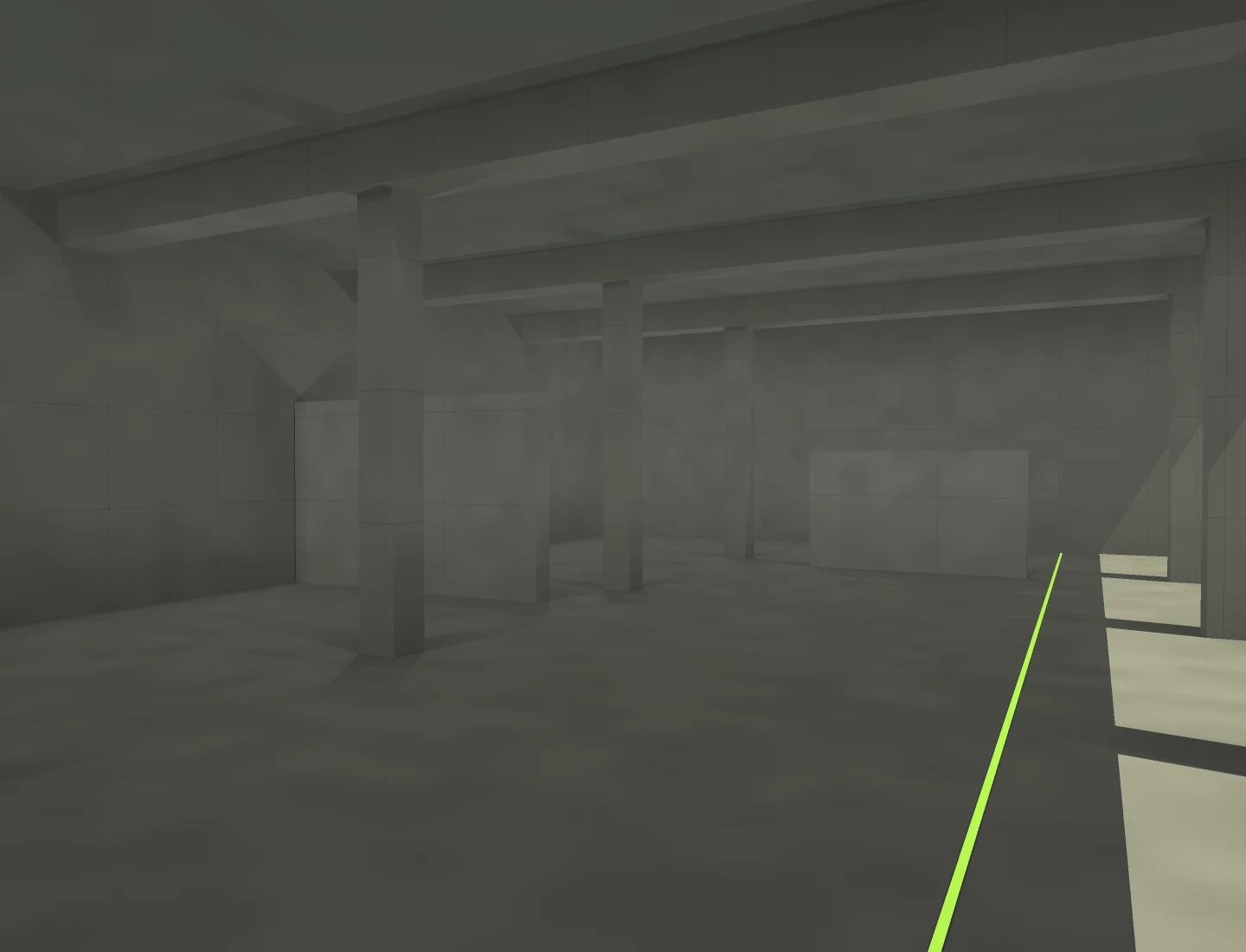
Our first robotic system is in development for the construction industry. Here are the practical considerations guiding our work; we’ll share the system itself as development progresses.
Start with the job. Then build the machine.
CONSTRUCTION CONTEXT / CONCEPT ENVIRONMENT
ILLUSTRATIVE TASK SPACE / NOT A PRODUCT
01 / THE WORKING ENVIRONMENT
Understand the setting. Respect the constraints.
Construction environments bring changing conditions, limited space, and people with different responsibilities. Useful technology needs to account for that context.
Our development considers the task alongside its surroundings, access requirements, and the people responsible for the work.
What does the environment require of the system?
HUMAN OVERSIGHT / CONCEPT STUDY
02 / PEOPLE & CONTROL
Clear roles. Human judgment.
We are considering how people authorize, supervise, and intervene in robotic work. These responsibilities need to be understandable within a real workflow.
The people who know the job bring essential context to these design questions.
How should people remain informed and in control?
SPACE & ACCESS / CONCEPT STUDY
03 / THE WHOLE WORKFLOW
Fit the work. Respect the people.
We want to account for how equipment arrives, is set up, is supervised, is maintained, and leaves the area ready for the next step.
Human responsibilities, stopping conditions, and operator intervention should be explicit—not hidden behind the word “autonomous.”
Does the complete workflow improve the job for the people doing it?
Know the work from the inside?
We welcome conversations with builders, trade professionals, and people working on robotics. Share a perspective from the field or introduce an engineering challenge.